
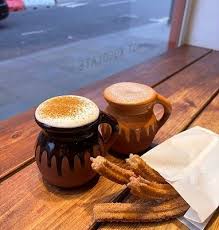
When one thinks of Mexican desserts, visions of golden churros dusted in sugar and cinnamon often come to mind — crisp on the outside, tender on the inside, and bursting with the essence of tradition. But there’s a lesser-known, equally enchanting variation of this beloved treat: Aguamiel Churros Mexicanos. Made with the naturally sweet nectar of the agave plant known as aguamiel, these churros represent a beautiful fusion of indigenous Mexican heritage and Spanish culinary influence. The combination of earthy sweetness, deep cultural roots, and the nostalgic aroma of freshly fried dough creates a dessert that tells the story of Mexico itself — one of resilience, creativity, and flavor.
In this article, we will journey through the fascinating history, cultural symbolism, ingredients, preparation methods, and regional adaptations of aguamiel churros. We’ll explore why aguamiel — an ancient pre-Hispanic ingredient — transforms the simple churro into a deeply authentic Mexican experience. By the end, you’ll not only appreciate the dessert’s taste but also the story it carries from agave fields to your plate.
1. The Origins of the Churro: From Spain to Mexico
Before delving into aguamiel churros specifically, it’s important to understand the humble beginnings of the churro itself. The origins of churros can be traced back to Spain, where shepherds and travelers made simple fried dough sticks as a portable snack. These early churros were made using flour, water, and salt, often cooked over open fires in the mountains. When Spanish explorers arrived in the Americas, they brought with them this rustic snack, which quickly integrated into the diverse culinary landscape of the New World.
In Mexico, the churro found fertile ground to evolve. Indigenous people adapted the recipe, incorporating local ingredients such as cinnamon, piloncillo (raw cane sugar), and aguamiel, resulting in a churro that was not only sweeter but also more flavorful. The dessert soon became a street food staple, sold outside churches, at markets, and during festivals. Over time, churros became a symbol of joy — a food shared among families and communities, often served with hot chocolate or café de olla.
2. Understanding Aguamiel: The Nectar of the Agave
To understand the uniqueness of aguamiel churros, we must first understand aguamiel. The word literally means “honey water” in Spanish, but its significance goes much deeper. Aguamiel is the sap extracted from the heart of the maguey (agave) plant, an iconic symbol of Mexican culture and landscape. The process of obtaining aguamiel is both delicate and sacred. Skilled harvesters, known as tlachiqueros, carefully carve the plant’s core to collect the sweet liquid that pools inside.
This nectar has been used for centuries by indigenous civilizations such as the Aztecs and the Otomi, not only as a sweetener but also for its nutritional and ceremonial value. When fermented, aguamiel becomes pulque, one of Mexico’s oldest alcoholic beverages. However, when used fresh, aguamiel has a mild, earthy sweetness reminiscent of honey and coconut water — perfect for culinary creations like churros.
Unlike refined sugar, aguamiel imparts a natural complexity and subtle smokiness to desserts. When added to churro dough, it enhances both texture and taste, giving the pastry a distinct character — soft, fragrant, and lightly caramelized. It also connects the modern churro to ancient agricultural traditions, making every bite a tribute to the agave fields of Mexico.
3. The Art of Making Aguamiel Churros
Creating the perfect aguamiel churro is both an art and a labor of love. The process combines simplicity and skill, requiring patience and precision to achieve the right texture. Traditional Mexican street vendors often prepare their dough by hand, using ingredients that have been passed down through generations.
Ingredients
The basic components include:
-
Flour
-
Aguamiel (used instead of or along with water)
-
Butter or lard
-
Salt
-
A hint of cinnamon
-
Eggs (optional, for extra richness)
-
Oil for frying
-
A mixture of sugar and cinnamon for dusting
Preparation Process
The dough begins with heating aguamiel and butter together until warm, then mixing in flour and salt until a smooth paste forms. After cooling slightly, the dough is transferred into a piping bag fitted with a star-shaped nozzle. The churros are then piped directly into hot oil, their ridges crisping beautifully as they puff and turn golden brown. Once fried to perfection, they are rolled generously in cinnamon sugar, allowing the heat to slightly melt the coating and create that iconic glistening crust.
The result is a lightly crispy, aromatic churro with a subtle sweetness that lingers. The flavor of aguamiel deepens the dough, balancing the fried richness with natural floral notes. Some bakers even drizzle extra aguamiel on top or serve it as a dipping sauce, creating a luxurious treat that’s both rustic and refined.
4. Symbolism and Cultural Significance
In Mexico, churros are more than a dessert — they are an expression of culture. They evoke the warmth of childhood, the comfort of family gatherings, and the joy of festivals. The addition of aguamiel, however, takes that symbolism a step further, linking the churro to ancient Mexican traditions rooted in the agave plant.
The agave has long been considered sacred in Mesoamerican cultures. It represents life, fertility, and renewal — its sap, aguamiel, seen as a divine gift from the gods. By incorporating aguamiel into churros, Mexican cooks preserve the memory of these beliefs, blending pre-Hispanic spirituality with colonial culinary techniques. Every churro, therefore, becomes a small act of cultural preservation — a dessert that bridges centuries.
Aguamiel churros are often served during local fairs, religious festivities, and family celebrations. The sweet scent of frying dough wafts through plazas, drawing crowds of children and adults alike. Street vendors selling churros are cherished community figures, their recipes evolving with time but always staying true to the essence of tradition.
5. Regional Variations Across Mexico
Just as Mexico is known for its regional cuisines, churros too vary from place to place. In Mexico City, aguamiel churros are often served with thick, rich chocolate caliente. In Hidalgo — one of the main producers of aguamiel and pulque — vendors take pride in using freshly collected nectar, giving the churros a distinctly earthy sweetness. In Oaxaca and Puebla, churros may be paired with local coffee or topped with spiced chocolate sauces.
In rural areas, some cooks experiment with piloncillo syrup or cajeta (goat’s milk caramel) drizzled on top. Others fill the churros with nata (clotted cream), dulce de leche, or fruit preserves. Yet, no matter the variation, aguamiel remains the key ingredient that distinguishes these churros from the more commercial versions found elsewhere.
This regional diversity reflects Mexico’s culinary philosophy: respect for local ingredients and creative adaptation. Every region adds its touch — from the agave fields of Hidalgo to the bustling streets of Guadalajara — making aguamiel churros a truly national treasure.
6. Nutritional and Environmental Aspects
While churros are undeniably indulgent, aguamiel offers nutritional benefits that make this version slightly more wholesome. Aguamiel is naturally rich in vitamins (B1, B2, C), minerals (iron, calcium, phosphorus, and magnesium), and prebiotic fibers known as inulin, which support digestive health. Unlike refined sugar, aguamiel’s glycemic index is lower, meaning it releases energy more slowly, reducing blood sugar spikes.
Environmentally, using aguamiel also supports sustainable agriculture. The agave plant is highly resilient, thriving in arid conditions with minimal water. By promoting aguamiel-based products, local farmers and artisans preserve traditional harvesting practices and reduce dependency on industrial sweeteners. Therefore, each bite of an aguamiel churro not only delights your palate but also supports eco-conscious food systems rooted in respect for nature.
7. The Modern Revival: Gourmet and Artisanal Trends
In recent years, there has been a culinary revival of traditional Mexican sweets, with chefs and artisanal bakers rediscovering the magic of aguamiel. In upscale restaurants and local cafés alike, aguamiel churros are making a comeback — reimagined with creative presentations, artisanal techniques, and gourmet pairings.
Chefs are experimenting with aguamiel reduction glazes, spiced sugar coatings, and even filled churros with aguamiel-infused cream. Some pair them with mezcal or tequila-based cocktails, highlighting the agave connection. Others focus on authenticity, using heirloom flours and traditional frying methods.
Social media has also played a huge role in popularizing these churros globally. Food enthusiasts share photos and recipes, sparking international curiosity. The combination of nostalgia and innovation makes aguamiel churros not just a dessert but a cultural ambassador — a sweet story told through texture and taste.
8. How to Make Aguamiel Churros at Home
While it may seem intimidating, making aguamiel churros at home is quite achievable. Here’s a simple guide for the adventurous cook.
Ingredients
-
1 cup flour
-
1 cup aguamiel (fresh or bottled)
-
2 tablespoons butter
-
Pinch of salt
-
1 teaspoon cinnamon (optional)
-
Oil for frying
-
½ cup sugar mixed with 1 teaspoon cinnamon for coating
Instructions
-
In a saucepan, heat aguamiel and butter until just boiling.
-
Reduce heat, add flour and salt, and stir vigorously until the dough forms a ball.
-
Remove from heat and let cool for 5 minutes.
-
Transfer the dough to a piping bag with a star tip.
-
Heat oil in a deep pan. Pipe 5–6-inch strips of dough into the oil.
-
Fry until golden brown on both sides, about 2–3 minutes.
-
Drain on paper towels and roll immediately in cinnamon sugar.
-
Serve warm with hot chocolate, dulce de leche, or extra aguamiel drizzle.
The key lies in using fresh aguamiel, which infuses the dough with authentic flavor and a hint of caramel sweetness.
9. Pairing Aguamiel Churros: The Perfect Complements
Aguamiel churros pair beautifully with traditional Mexican beverages. Champurrado, a thick chocolate-based drink made from masa and cinnamon, complements the churros’ sweetness perfectly. Café de olla, brewed with piloncillo and cloves, offers a rustic contrast. For a refreshing twist, they can also be served with agua fresca made from hibiscus or tamarind.
In contemporary settings, chefs pair aguamiel churros with artisanal ice creams — think vanilla bean, cajeta, or mezcal-laced varieties. The hot-and-cold combination creates a dynamic dessert experience that balances warmth, crunch, and creaminess.
10. The Global Appeal of Mexican Churros
Though churros are enjoyed worldwide, Mexican churros — especially those flavored with aguamiel — stand out for their depth and authenticity. In cities like Los Angeles, Madrid, and Tokyo, Mexican bakeries are introducing international audiences to this agave-infused delicacy. Food festivals and culinary events often feature aguamiel churros as a representation of Mexico’s blend of indigenous and colonial heritage.
Their global success lies in their simplicity and soulfulness. Every bite offers a taste of Mexico’s history — from the agave fields to bustling street markets — reminding us that food is more than sustenance; it’s identity.
Frequently Asked Questions (FAQ)
Q1. What is the difference between regular churros and aguamiel churros?
Regular churros are made with water or milk, while aguamiel churros use agave nectar (aguamiel) as a key liquid ingredient. This gives them a natural sweetness, floral aroma, and deeper flavor profile.
Q2. Can I use bottled aguamiel if I don’t have fresh nectar?
Yes, bottled aguamiel or high-quality agave syrup can be used, though the flavor will be slightly more concentrated. Fresh aguamiel offers a lighter, more nuanced sweetness.
Q3. Are aguamiel churros vegan-friendly?
They can be! Simply replace butter with vegetable oil or vegan margarine and skip eggs if used. Aguamiel is plant-based, making it suitable for vegan diets.
Q4. Is aguamiel the same as agave syrup?
Not exactly. Aguamiel is the raw sap collected from the agave plant, while agave syrup is processed and concentrated from it. Aguamiel has a fresher, more delicate flavor.
Q5. Where can I find aguamiel?
Fresh aguamiel is commonly found in Mexican markets, especially in states like Hidalgo, Tlaxcala, and Puebla. Internationally, agave-based products can be found in Latin grocery stores or online.
Conclusion
Aguamiel Churros Mexicanos are more than a dessert; they are a living expression of Mexico’s culinary heritage. Every crisp, golden bite carries the history of the agave plant, the artistry of traditional cooking, and the warmth of community celebration. From pre-Hispanic times to the modern kitchen, the story of aguamiel connects people to their roots — a reminder that the sweetest things in life are often born from nature, tradition, and love.
As Mexican cuisine continues to inspire chefs around the world, aguamiel churros stand as a delicious testament to cultural continuity and innovation. Whether enjoyed on a cobblestone street in Hidalgo or recreated at home, they invite us to taste not just sweetness, but history — a golden link between the past and present, crafted with the nectar of the agave and the spirit of Mexico.
